Use this bar to show information about your cookie policy.
Tanqueray
3 products
Showing 1 - 3 of 3 products
Charles Tanqueray settled on his recipe in the 1830s and nobody has found a compelling reason to change it since.
Four Botanicals, and Why That Matters
Juniper, coriander, angelica root and liquorice — quadruple-distilled, and nothing else. In a category that has spent two decades adding cucumber, rose petals and violet, Tanqueray's restraint is the point.
It is also why it remains the working bartender's gin. A gin with twelve botanicals fights whatever you mix it with. Four botanicals, balanced properly, disappear into a drink and hold it together.
The Range
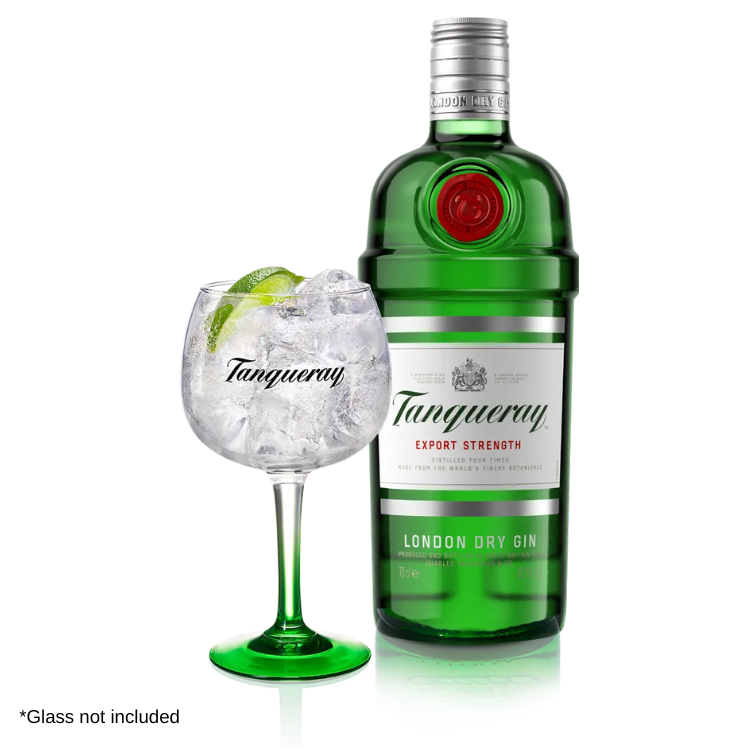
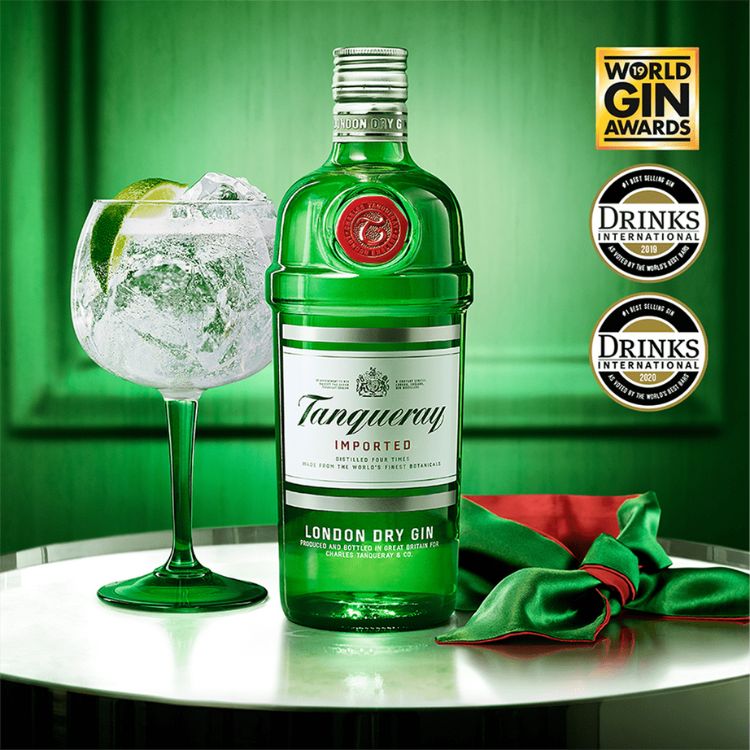
London Dry — the benchmark. Juniper-led, crisp and peppery. The correct gin for a G&T with lime, and for a Negroni where it needs to stand up to Campari.
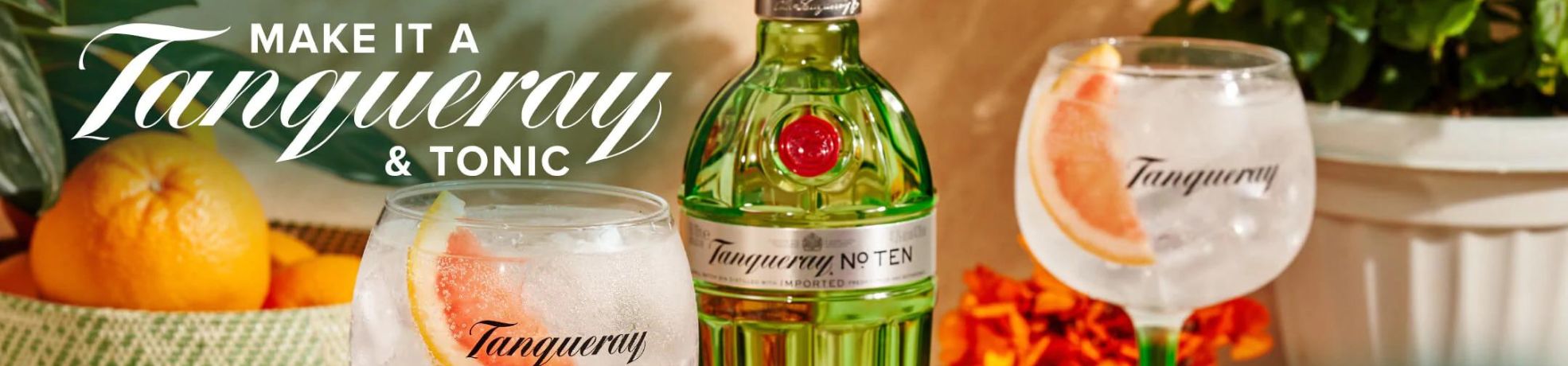
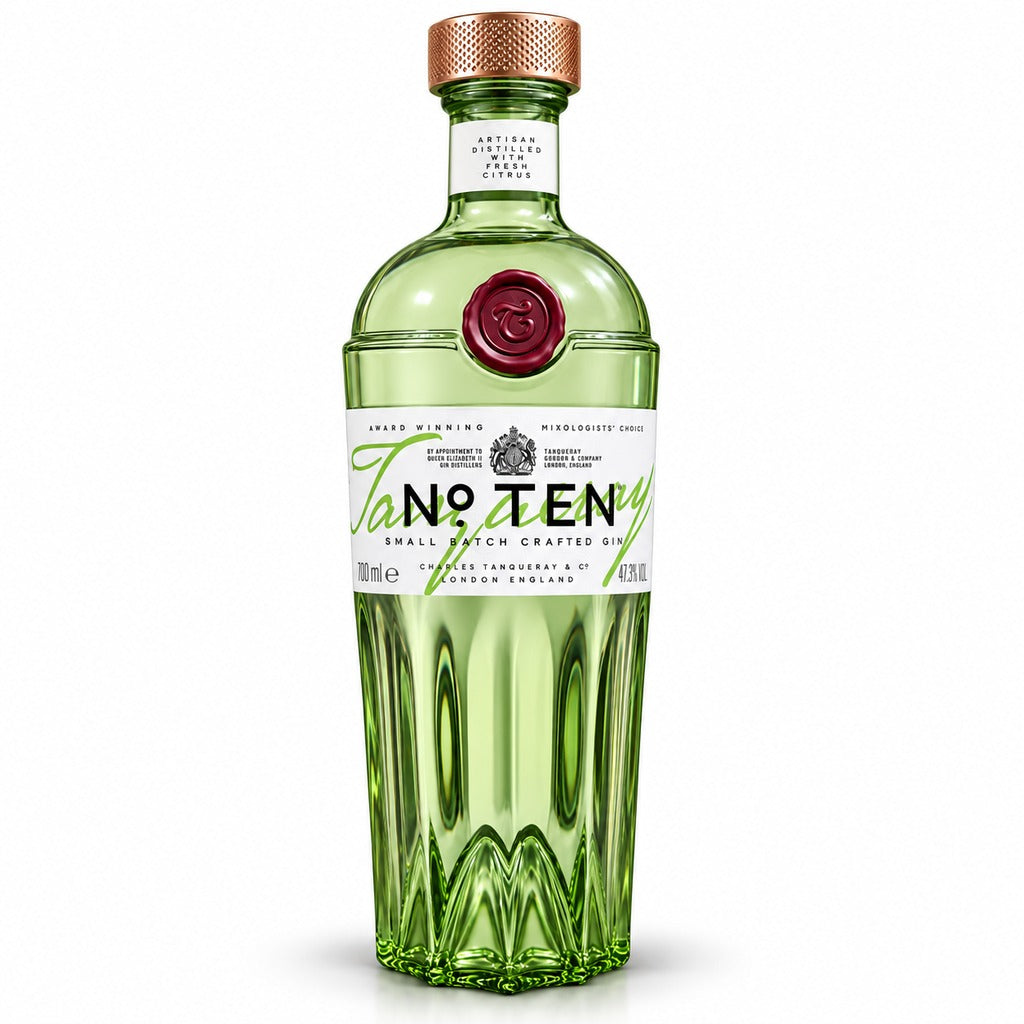
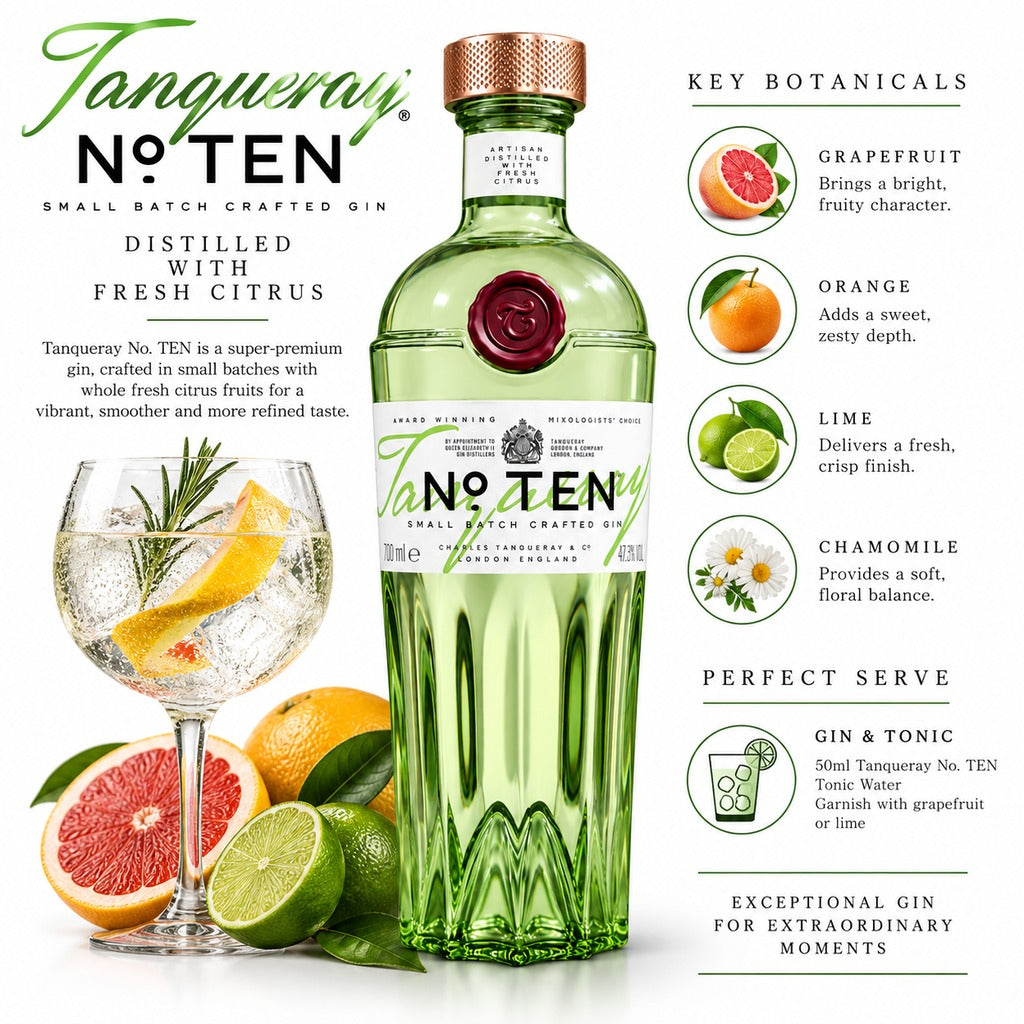
No. TEN — distilled with whole fresh grapefruits, oranges and limes rather than dried peel, plus chamomile. A martini gin, and partly wasted in a G&T.
Flor de Sevilla — bitter Seville oranges, built from Charles Tanqueray's own 1880s notes. Marmalade rather than squash.
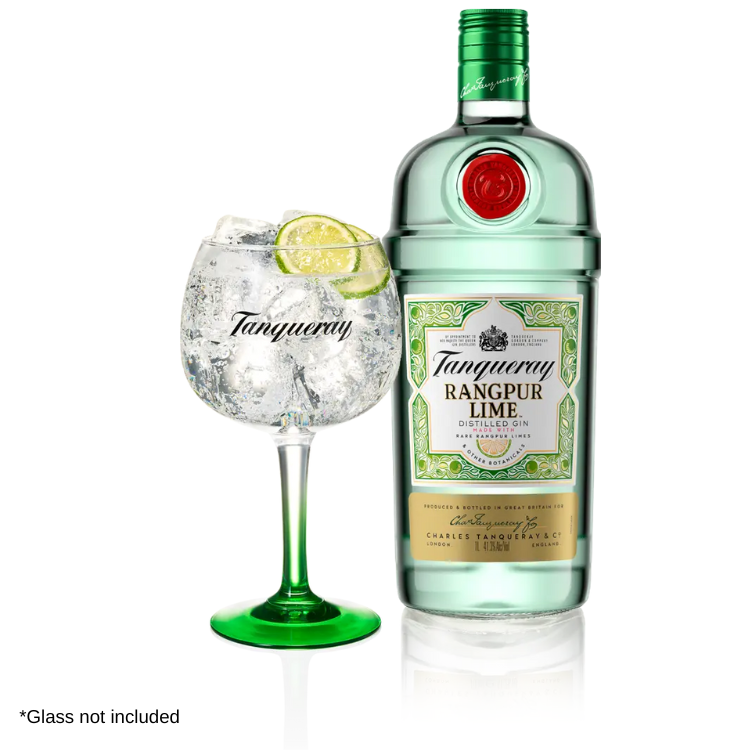
Rangpur — rangpur lime with ginger and bay. You do not need to garnish it; the fruit is already in the bottle.
Malacca — based on an 1839 recipe, closer to the old Old Tom style. Softer and sweeter, and the Tanqueray for people who find London Dry too austere.
Which Tanqueray Should You Buy?
For G&Ts and everything else: London Dry.
For martinis: No. TEN, with a grapefruit twist rather than lemon.
For a spritz or something fruit-led: Flor de Sevilla or Rangpur.
If London Dry is too dry for you: Malacca.
For adults of legal drinking age only. Please enjoy responsibly.