Use this bar to show information about your cookie policy.
Chilean Wine Collection
11 products
Showing 1 - 11 of 11 products
Chilean wine from the Central Valley and beyond — Cabernet Sauvignon, Merlot, Carmenere, Chardonnay and Moscato. Some of the best value on the shelf, and there are good reasons for that.
Why Chilean Wine Is Such Good Value
Two accidents of geography.
Chile never had phylloxera. The louse that destroyed almost every vineyard in Europe in the 1800s never reached Chile — the Andes, the Atacama desert and the Pacific sealed it off. Chilean vines still grow on their own roots rather than grafted American ones, which almost nowhere else in the world can say.
The climate is reliable. Long dry summers and cool nights mean consistent ripening year after year, with far less need for intervention. Consistency is cheap; rescuing a difficult vintage is not.
The Grapes
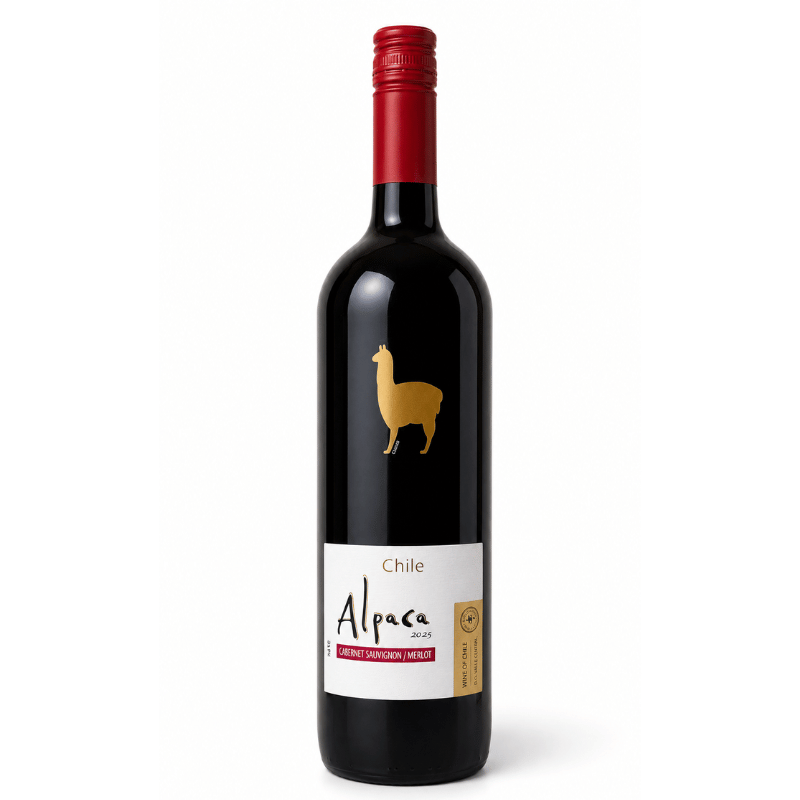
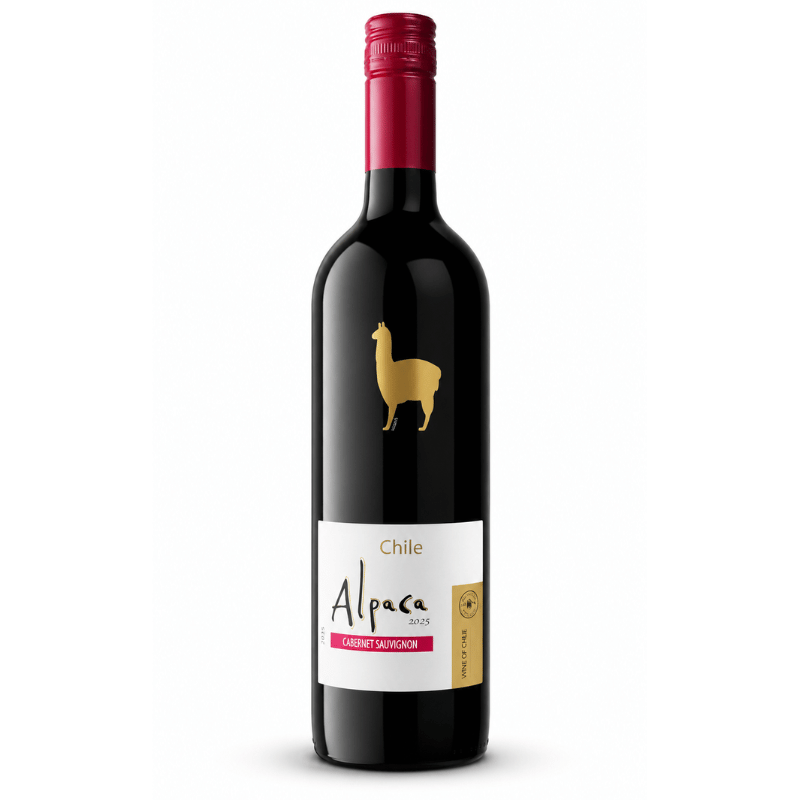
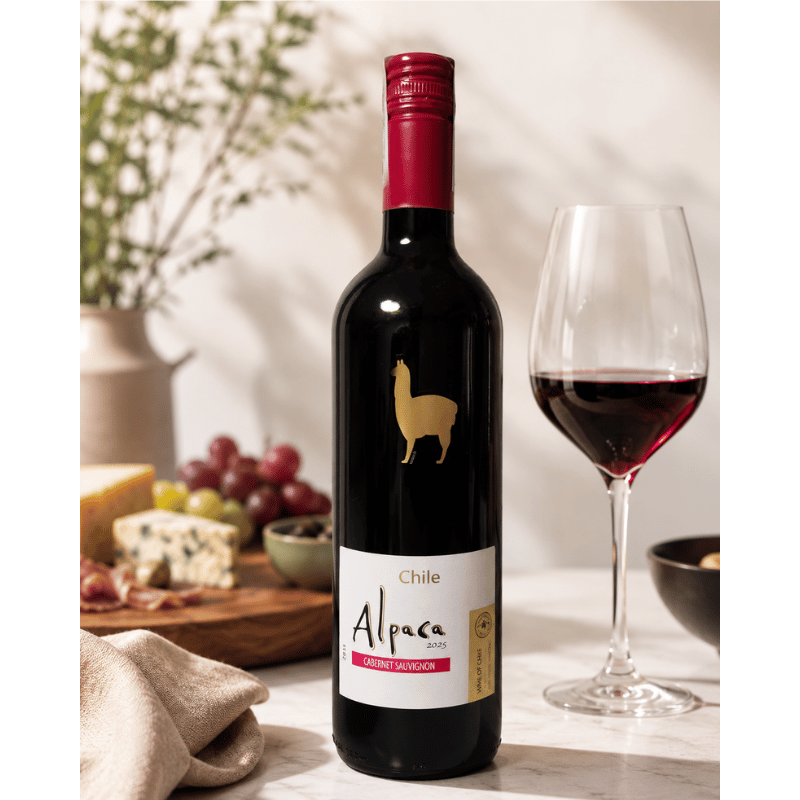
Cabernet Sauvignon — Chile's flagship red. Blackcurrant and dark fruit, softer than its Bordeaux equivalent.
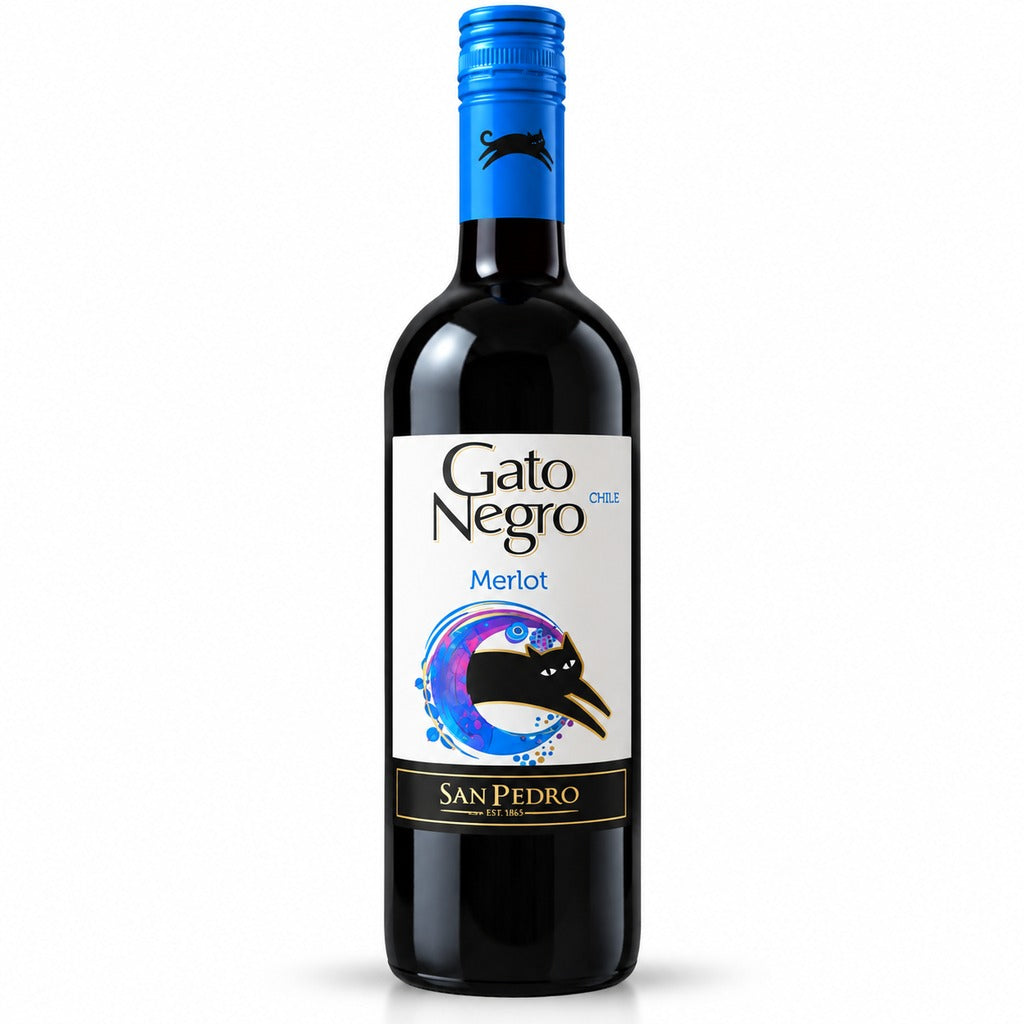
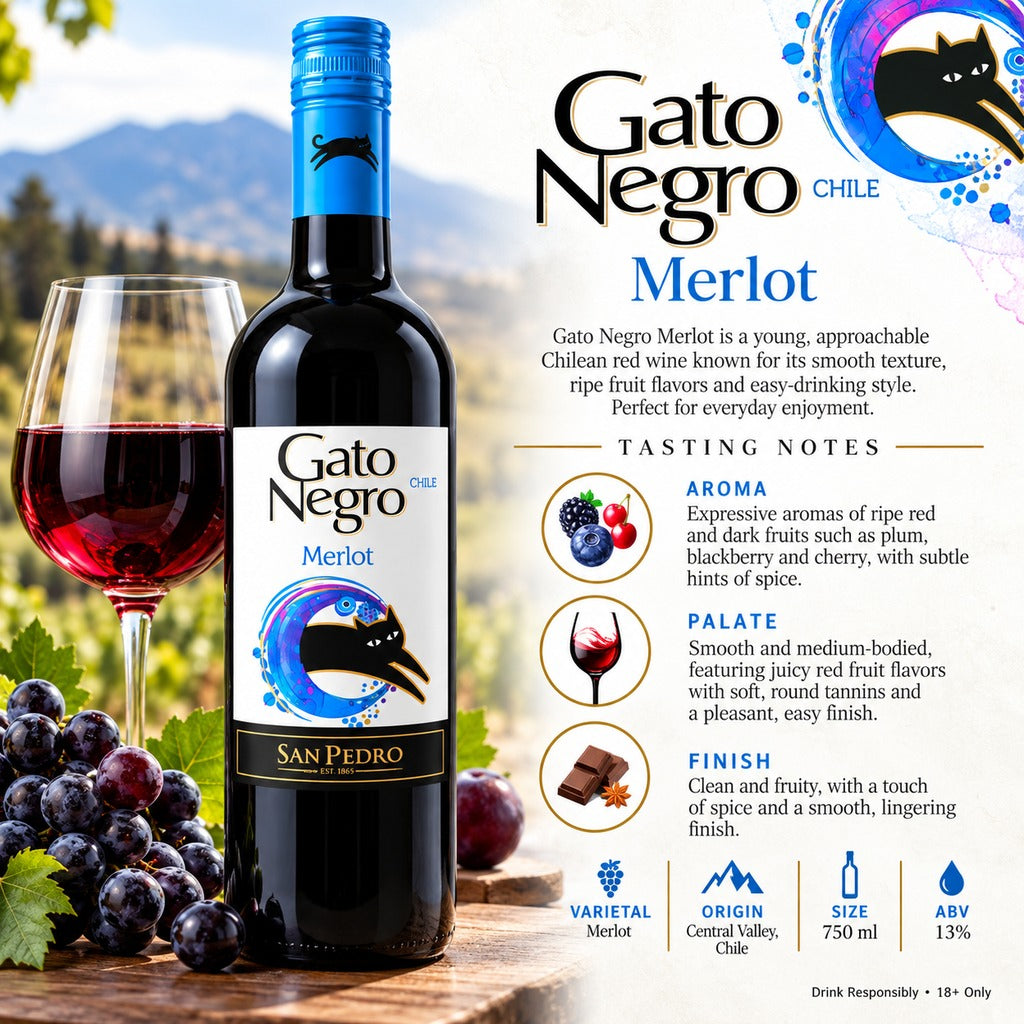
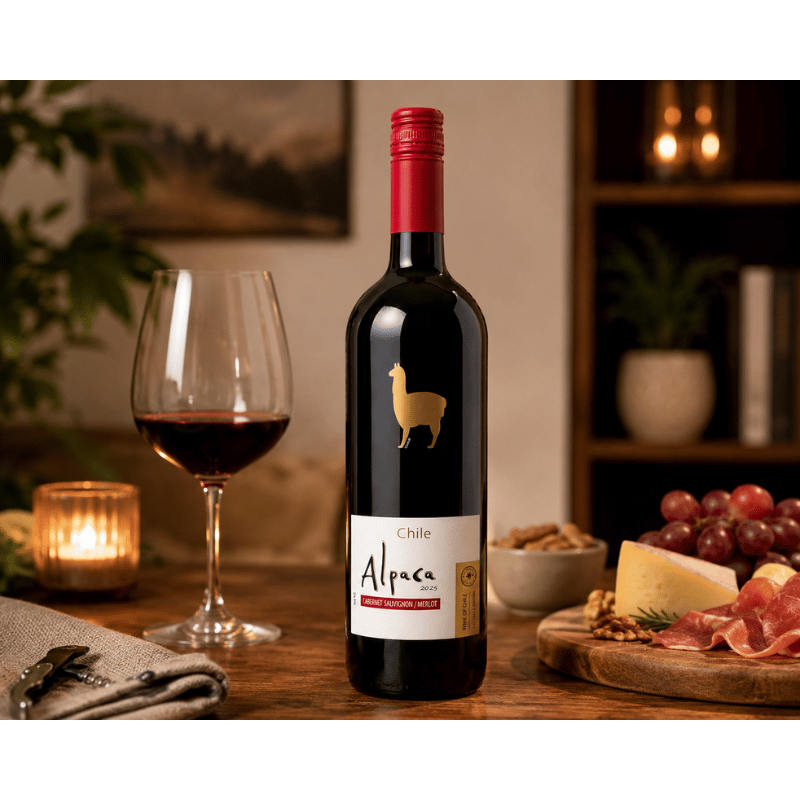
Merlot — plum and blackberry, low tannin, easy.
Carmenere — Chile's signature grape, and a genuine curiosity: it was thought extinct after phylloxera wiped it out in France, then rediscovered growing in Chile in 1994, having been mistaken for Merlot for over a century.
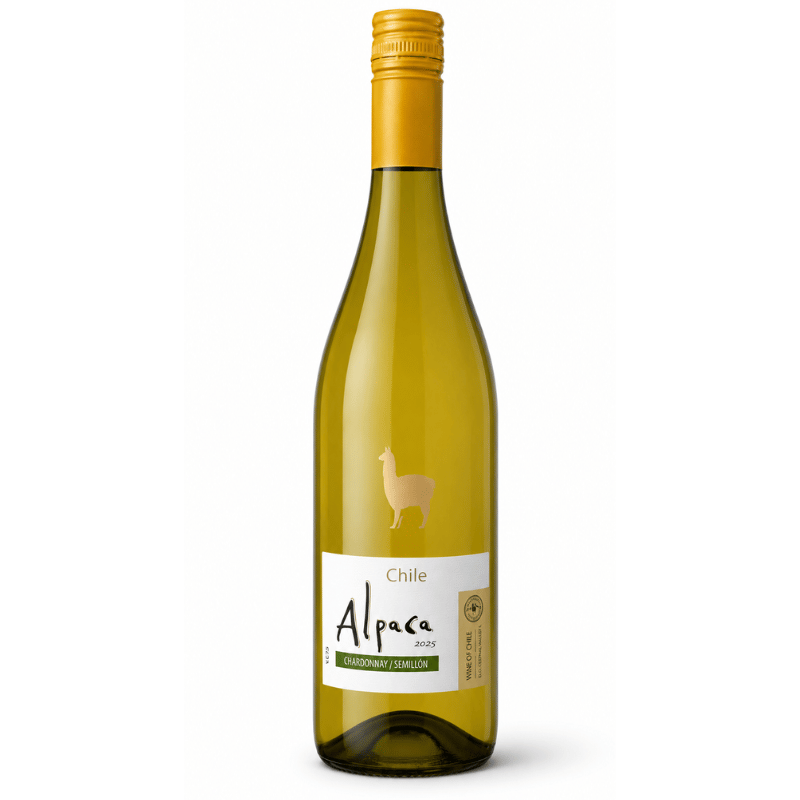
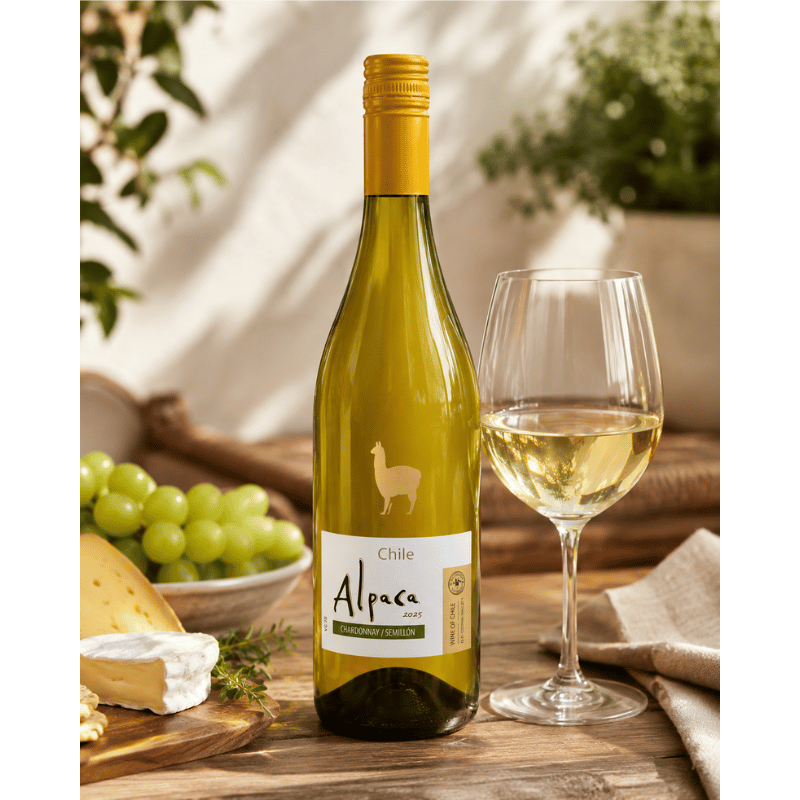
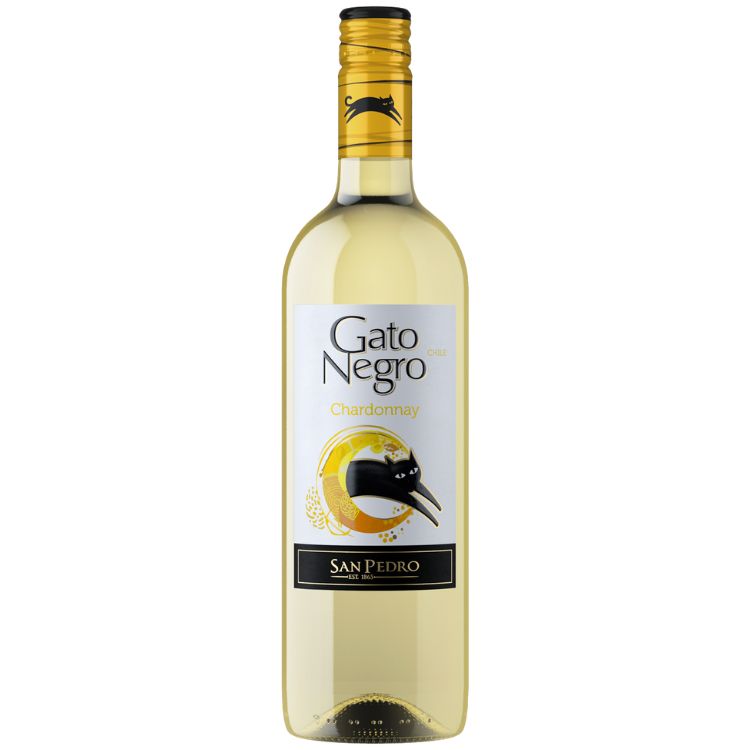
Chardonnay — tropical fruit and clean acidity.
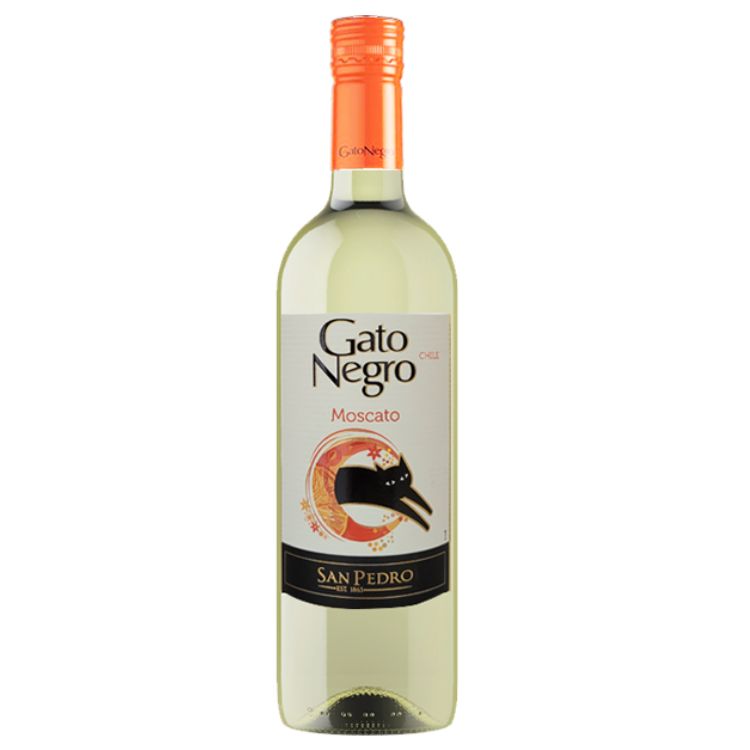
Moscato and sweet whites — low in alcohol, and made for warm weather.
Which Chilean Wine Should You Buy?
For a weeknight: Merlot. Soft and inexpensive enough to open without an occasion.
For grilled meat: Cabernet Sauvignon.
For something unfamiliar: Carmenere — you will not find it easily outside Chile.
For seafood: Chardonnay.
For a party: Moscato or a sweet white. Low alcohol and people finish them.
Serving in Philippine Weather
Reds at 16 to 18°C — twenty minutes in the ref before pouring. Whites at 8 to 10°C, sweet whites colder still at 6 to 8°C.
Food Pairing
Pork adobo — Merlot; plum fruit against soy and vinegar
Grilled liempo and barbecue — Cabernet or Carmenere